Breaking Down the Top Objections: Why Photographers Don't Learn Underwater Portrait Photography
Underwater portraits aren't new — photographers have been experimenting beneath the surface for nearly a century. Silver Springs, Florida, famously served as one of the earliest locations for this genre, with its iconic glass-bottom boats and crystal-clear water giving rise to some of the world's first underwater portraits. These historic images still inspire us today and remind us that underwater photography is more than just a trend — it's an enduring form of creative expression.
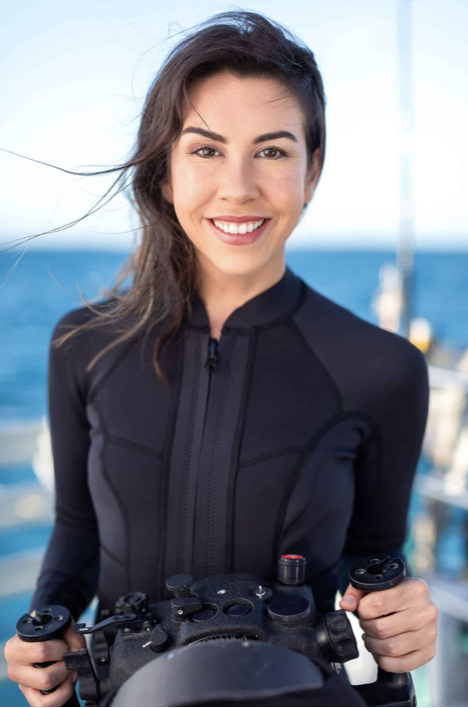
As the owner of Water Bear Photography and founder of Underwater Creatives Academy, I've spent years mentoring photographers on how to safely, creatively, and profitably enter this niche. Yet time and again, I encounter the same objections from photographers intrigued by underwater work but hesitant to dive in. Let's unpack those objections and show why they shouldn't hold you back.
Objection 1: "Underwater Portrait Photography Is Too Expensive"
Yes, professional underwater gear can get pricey, but starting out doesn't have to break the bank. You can absolutely begin with a waterproof point-and-shoot camera or a used housing for your DSLR or mirrorless camera. Many photographers launched their underwater journey with gear that cost just a few hundred dollars. Over time, you reinvest into more robust equipment as your business grows. For a full breakdown of cost-effective options, check out our gear guide.
Objection 2: "The Underwater Camera Equipment Is Too Bulky"
It depends on what setup you're using. A full professional rig can weigh nearly 30 pounds, but there are also compact systems that fit in a carry-on. Like any specialized genre, underwater work sometimes requires adapting to the needs of the shoot. Sometimes that means going minimal; other times, you'll want the full setup. The key is choosing the right tool for the job, not hauling the biggest gear possible.
Objection 3: "I'm Not a SCUBA Diver"
You don't need to be. While having a SCUBA certification can help you understand underwater physics and neutral buoyancy, it's rarely required during client shoots. What matters more? Being a strong swimmer, having an experienced safety swimmer, and holding basic CPR/First Aid certifications. All of this and more is covered in training programs tailored for photographers — not divers. Check out the Water Workshop.
Objection 4: "I Can't Hold My Breath for Long Underwater"
Here's a secret: most clients can't either. Underwater portraiture isn't about holding your breath for minutes at a time — it's about timing, technique, and creative direction. As long as you can outlast your subject, you'll have all the time you need. And if you want to improve your breath hold, there are safe, land-based exercises and apps that can help increase your capacity. Just never train breath hold alone or in water without supervision.
If you have a condition like asthma or a previous lung injury, always consult your doctor first. Through freediving training, cardio workouts, and proper preparation, many photographers with respiratory conditions have learned to work safely and effectively underwater.
Objection 5: "I Live Somewhere Cold"
You're not alone. Some of the most successful underwater portrait photographers live in Canada, the UK, and other chilly regions. The trick? Creativity. Heated pools, indoor aquatic centers, seasonal offerings, and travel sessions can all make underwater photography viable year-round. The added bonus: low local competition. If you're the only underwater photographer in your area, you have a niche that sets you apart from everyone else.
Objection 6: "No One Buys Underwater Portrait Sessions"
This myth couldn't be more wrong. Underwater portraiture can generate over $100,000 annually in client revenue — and that's not including commercial campaigns or education. These portraits aren't just about aesthetics; they're transformational experiences for clients. They feel powerful, ethereal, and connected to something deeper. Yes, it's a niche, but it's a valuable one.
And don't fall into the trap of underpricing. These sessions require more gear, more liability coverage, and more preparation than a land-based shoot. Price accordingly. Your time, skill, and safety investments matter. If you're unsure where to start with pricing, this is covered in several underwater portrait photography courses.
Objection 7: "AI Is Going to Replace Underwater Portrait Photography"
Artificial intelligence can replicate a lot, but not the human experience. Clients want real memories. They want behind-the-scenes reels, the thrill of going underwater, the stories to tell their friends, and the pride of knowing they did something extraordinary. AI images may look cool, but they're hollow. The real value lies in the experience of making the art, not just consuming it. More and more clients are asking for BTS videos to prove they actually did it and it wasn't just AI.
Objection 8: "Underwater Portrait Photography Is Just a Fad"
If that were true, this genre wouldn't still be growing year after year. In a world flooded with fast content and stock visuals, underwater images capture attention. They stop the scroll. They make people ask, "How did they do that?" It's not only a creative outlet but a business builder. In fact, offering underwater portraits has brought new clients to studios who ended up booking traditional sessions too.
Just like people said smartphones would kill the need for professional photography (spoiler: they didn't), claims that underwater portraits are a passing phase are unfounded. When your work stands out and offers something real, people will continue to seek it.
Final Thoughts
If you've been hesitant about trying underwater portrait photography, hopefully this breakdown helps shift your mindset. This genre is rich in opportunity, growth, and artistry. It's not just about pretty photos — it's about the bold, immersive experience.
If you're ready to take the plunge, a variety of options are available through the Underwater Creatives Academy, from free community resources to in-depth training and workshops.
See you underwater.
Table of Contents
- Objection 1: "It's Too Expensive"
- Objection 2: "Equipment Is Too Bulky"
- Objection 3: "I'm Not a SCUBA Diver"
- Objection 4: "I Can't Hold My Breath"
- Objection 5: "I Live Somewhere Cold"
- Objection 6: "No One Buys These Sessions"
- Objection 7: "AI Will Replace It"
- Objection 8: "It's Just a Fad"
- Final Thoughts